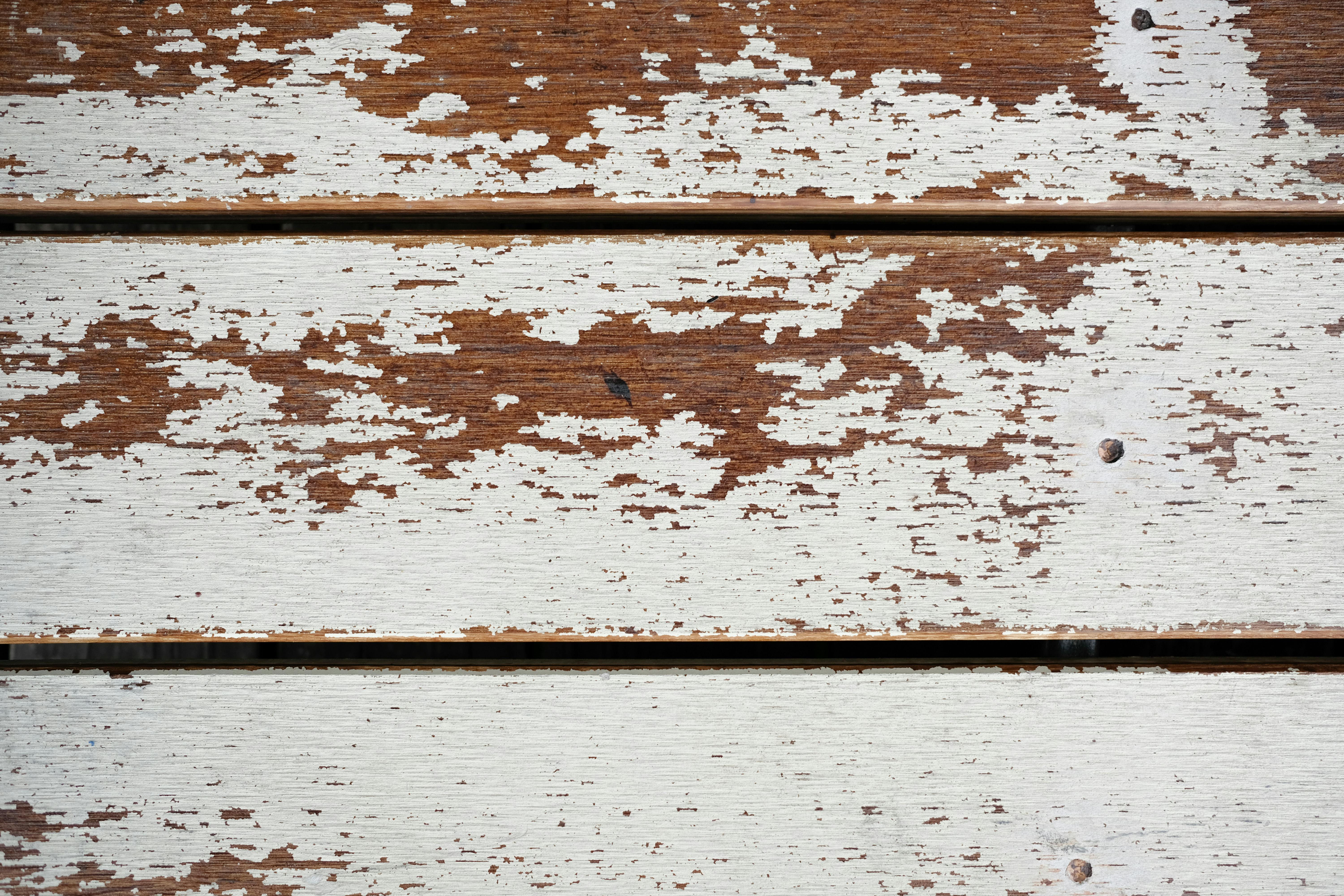
How We Approach Deck Restoration
Wood is not uniform. Cedar responds differently than pressure-treated pine. Grain orientation affects how moisture moves. Age determines how deep treatment must penetrate.
We don't apply universal solutions. Each deck receives assessment-driven care based on its specific material composition, exposure patterns, and structural condition.
This precision prevents over-treatment, which can seal moisture inside, and under-treatment, which leaves wood vulnerable. The difference shows in longevity.
Why Spring Timing Matters
Temperature fluctuations stop. Moisture levels stabilize. Wood enters its most receptive state for treatment absorption.
Sealants applied during this window bond at the cellular level rather than sitting on the surface. This creates protection that withstands summer UV exposure and fall moisture without premature degradation.
Waiting until mid-summer means working against the wood's natural cycle. Early intervention works with it.
Our Process Philosophy
We don't rush assessments. Initial inspection takes as long as needed to identify problem areas that casual observation misses—early rot beneath intact surface layers, fastener corrosion hidden by debris, support beam stress invisible from above.
Treatment plans emerge from these findings, not from predetermined service packages. If a deck needs only cleaning and sealing, we don't recommend repairs. If structural issues exist, we address them before cosmetic work.
This honesty builds relationships that last seasons, not transactions.
What Sets Our Work Apart
Many services focus on visible results. We prioritize lasting protection. The distinction matters when comparing quotes.
Material Knowledge
Understanding how different wood species age, absorb treatments, and respond to climate variations prevents generic application methods that work poorly across diverse materials. We match products to wood type.
Pressure Control
Power washing seems straightforward until you consider that excessive pressure destroys wood fibers, creating rough surfaces that trap more moisture than they shed. We calibrate equipment to each surface's tolerance.
Finish Selection
Film-forming finishes look impressive initially but trap moisture and peel within seasons. Penetrating oils protect from within while allowing wood to breathe. We apply what lasts, not what photographs well.
Timing Precision
Moisture content must fall within specific ranges before sealing. Too wet and you trap water inside. Too dry and absorption becomes uneven. We measure rather than guess.